
Industry · 2 November 2026 · 8 min read
Why Moorings and Berths Are in High Demand Across New Zealand
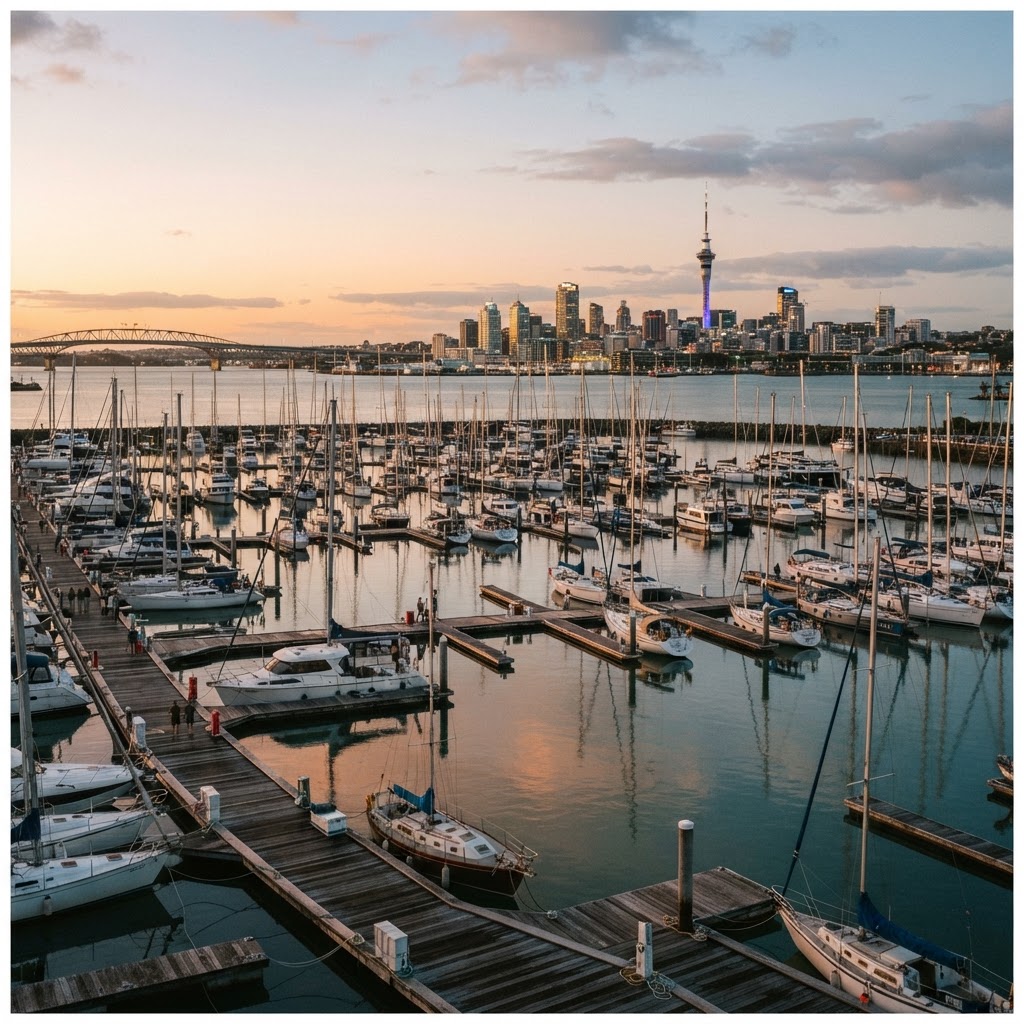
New Zealand is a nation of boaties. Surrounded by more than 15,000 kilometres of coastline and blessed with sheltered harbours, sounds and estuaries, it's no surprise that boat ownership here is among the highest per capita anywhere in the world. Auckland alone carries the nickname the City of Sails, and on a fine summer weekend the Hauraki Gulf is dotted with everything from dinghies and kayaks to keelers, launches and catamarans.
That love of the water comes with a growing challenge: space. Every boat needs somewhere to live when it isn't out on the water, and in our most popular cruising grounds that space is in short supply.
Waiting lists and limited water space
Many of the country's best-known marinas, particularly around Auckland, the Bay of Islands, Whangārei, Tauranga, Nelson and the Marlborough Sounds, regularly run waiting lists for berths. For larger vessels the wait can stretch out for years, because marinas are designed around a fixed mix of berth sizes and simply cannot add more space overnight.
Swing moorings face a similar squeeze. Mooring areas are managed by regional councils and harbourmasters, who control how many moorings can safely fit in each bay. Popular, sheltered anchorages are often at capacity, which means new boat owners can find it difficult to secure a spot close to home.
Building new marinas or extending existing ones is a slow and expensive process. Coastal developments require resource consents, environmental assessments and community consultation, and many proposals take years to progress. As a result, supply grows much more slowly than demand.
Why demand keeps growing
Several trends are pushing demand higher. Coastal towns and cities continue to grow, bringing more people within easy reach of the water. Boats themselves are getting bigger, with modern cruising yachts and launches often wider and longer than the vessels many marinas were originally designed for. Multihulls in particular need wider berths, which are among the hardest spaces to find.
Domestic tourism also plays a part. More Kiwis are choosing to holiday at home, exploring their own coastline by boat, and an increasing number of international cruising yachts visit New Zealand each summer during the South Pacific cyclone season. All of those visitors need safe places to stay, even if only for a few nights.
The hidden opportunity: unused space
Here's the interesting part. While demand is high, a surprising number of moorings and berths sit empty for weeks or months at a time. Owners take their boats away on extended cruises, haul out for antifouling and maintenance, travel overseas, or are simply between boats. Some holders keep their spot for years while they decide on their next vessel, because giving it up could mean going back to the bottom of a waiting list.
That empty water space represents real value. Annual marina fees, council mooring licences and inspection costs add up, and an unused berth or mooring is a cost with no return.
How sharing helps everyone
Sharing moorings and berths is a simple win for everyone involved. Owners can earn income to offset their annual fees and maintenance costs, while visiting boaties get access to safe, convenient spots without joining a long waiting list. Marina communities stay active, and local businesses such as cafés, chandleries and marine services benefit from extra visitors.
It also encourages better use of existing infrastructure rather than relying solely on new developments. Every night a berth is used instead of sitting empty is one less boat anchoring in an exposed spot or circling a busy harbour looking for space.
Of course, sharing needs to be done properly. Mooring and berth holders should check the rules of their marina or regional council, as some have conditions around sub-letting or temporary use. Guests should make sure their boat suits the mooring's size and weight limits, and both parties benefit from clear agreements and secure payments.
Looking ahead
As New Zealand's coastal communities keep growing, making smarter use of existing moorings and berths will be key to keeping boating accessible for every Kiwi. Platforms like Moorina make that connection easy and secure, matching verified listings with boaties who need a spot, whether for a single night, a week or a whole season.
If you have a mooring or berth that sits empty for part of the year, it could be helping another boatie enjoy our incredible coastline while earning you a return. And if you're searching for a place to keep your boat, the spot you need may already be out there, just waiting to be shared.